Booking choice: The La Scala tour, from $42 per person. Check dates Compare the options below
Verdi's life is unusually easy to follow on the map. He was born and baptised at Roncole, schooled and married in Busseto, made famous in Milan, settled at Sant'Agata, wintered in Genoa and died in Milan, where he is buried.
Below: a timeline of the places, each chapter of his life and what you can visit today, from EUR 6 at the birthplace to a guided hour at La Scala. Dates come from Wikipedia, the Comune di Genova and the museums' own pages.
The quick answer
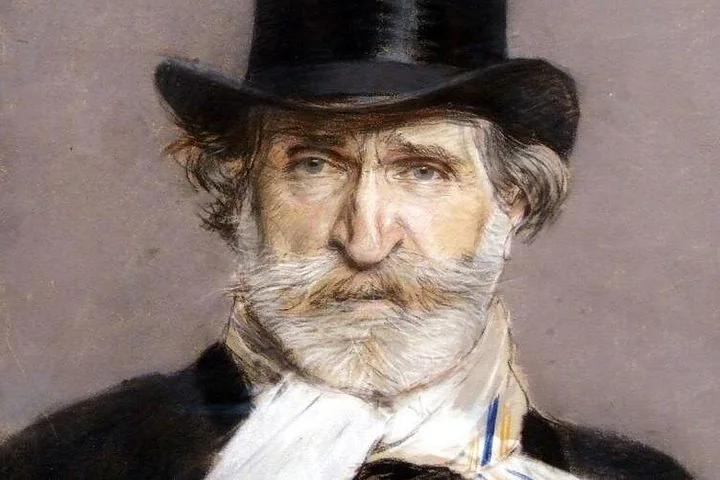
Verdi was born at Roncole on 10 October 1813 and learned music on its church organ; he studied in Busseto, where Antonio Barezzi became his patron and father-in-law. Milan's Conservatory rejected him in 1832, but Nabucco triumphed at La Scala on 9 March 1842. From 1851 he lived at Sant'Agata near Busseto, spent his winters in Genoa, and died in Milan on 27 January 1901. He is buried with Giuseppina Strepponi in the crypt of the Casa di Riposo per Musicisti in Milan.
Which places tell Verdi's life?
Roncole, Busseto, Milan, Sant'Agata and Genoa: five places, most of them still open to visitors, except his villa at Sant'Agata.
A timeline of the places, with what you can see today.
| Year | Place | What happened | Visit today |
|---|---|---|---|
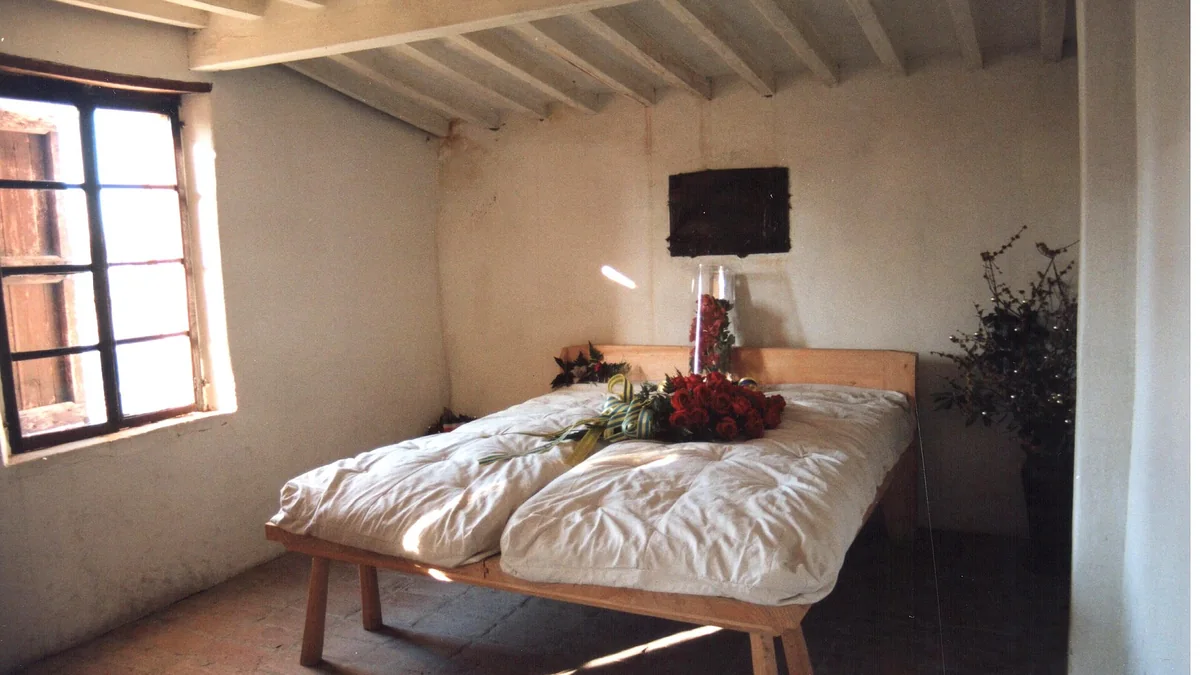
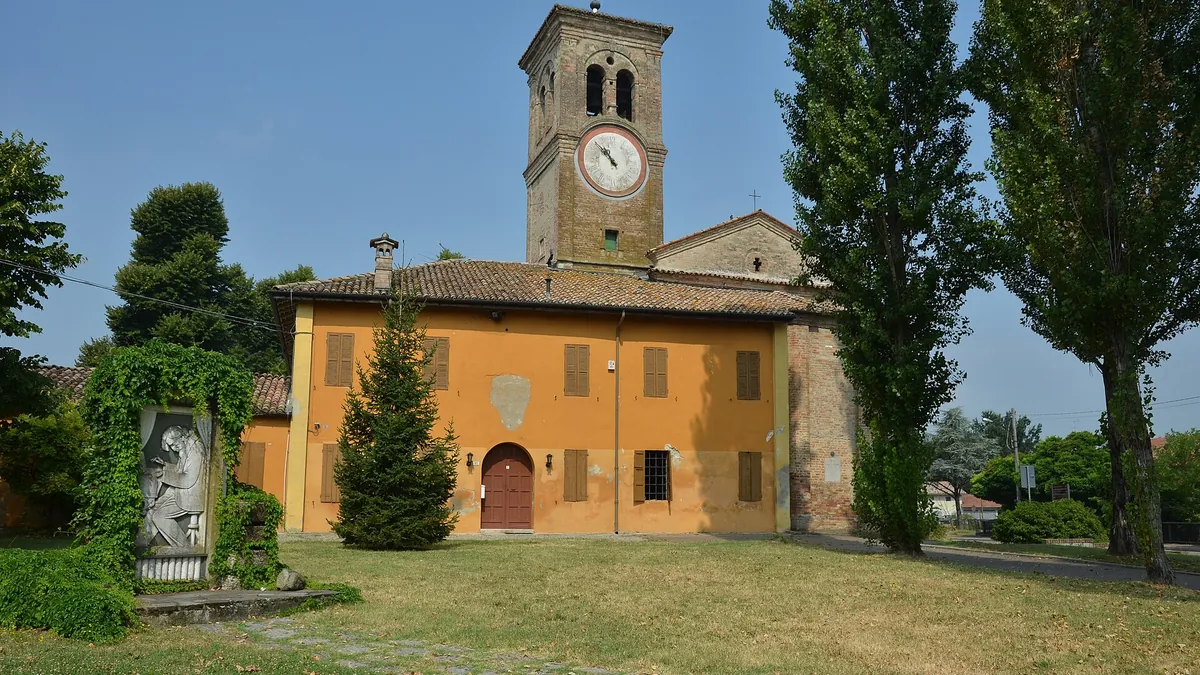
| 1813 | Roncole | Born on 10 October, baptised on the 11th at San Michele | The birthplace, EUR 6 |
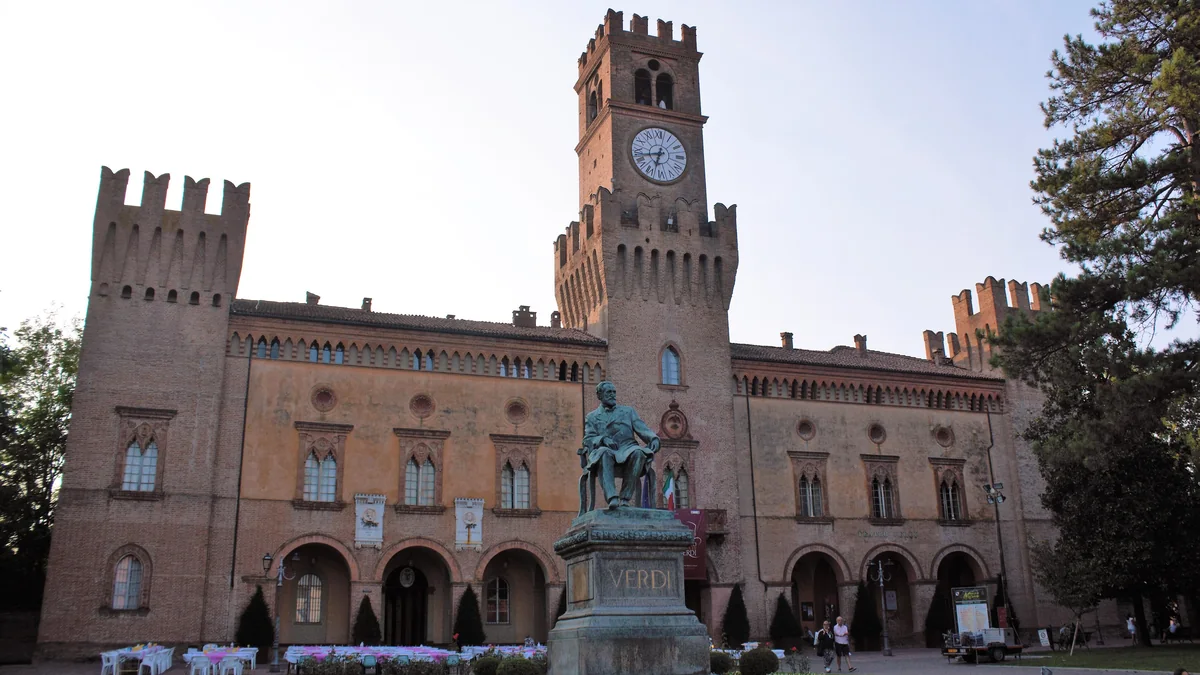
| 1830 | Busseto | First public performance in the Barezzi salon | Casa Barezzi |
| 1832 | Milan | Rejected by the Conservatory; studies privately | The Conservatory now bears his name |
| 1836 | Busseto | Marries Margherita Barezzi | Piazza Verdi and the Rocca |
| 1842 | Milan | Nabucco triumphs at La Scala on 9 March | La Scala and its museum |
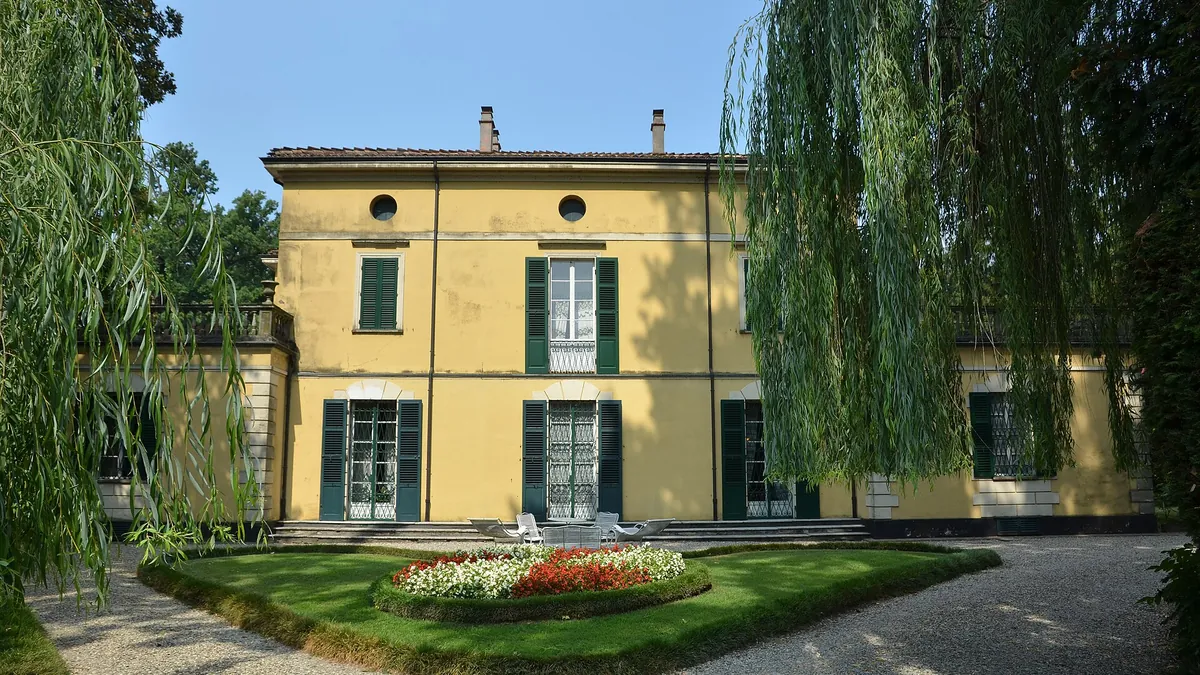
| 1851 | Sant'Agata | Moves in with Giuseppina Strepponi | Closed; exterior only |
| 1867 to 1901 | Genoa | Winters at Palazzo Sauli, then from 1874 at Palazzo del Principe | Villa del Principe museum |
| 1901 | Milan | Dies on 27 January; buried a month later at Casa di Riposo | The crypt at Casa Verdi |
What was Verdi's childhood at Roncole like?
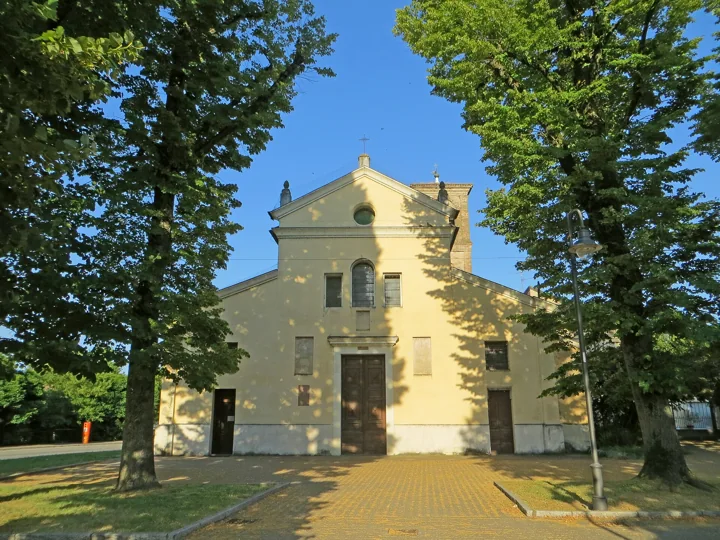
He was born in his father's inn and village shop on 10 October 1813, and learned music on the organ of San Michele, built in 1797 by Francesco Bossi.
His first teacher was the village priest, Don Pietro Baistrocchi. In spring 1814 his mother is said to have hidden with the baby in the church's bell tower from Russian and Austrian troops, as a plaque there recalls. Late in life, in 1900, Verdi paid for the organ's restoration. Visiting the house: tickets and hours for the birthplace.
What did Busseto and Antonio Barezzi mean to Verdi?
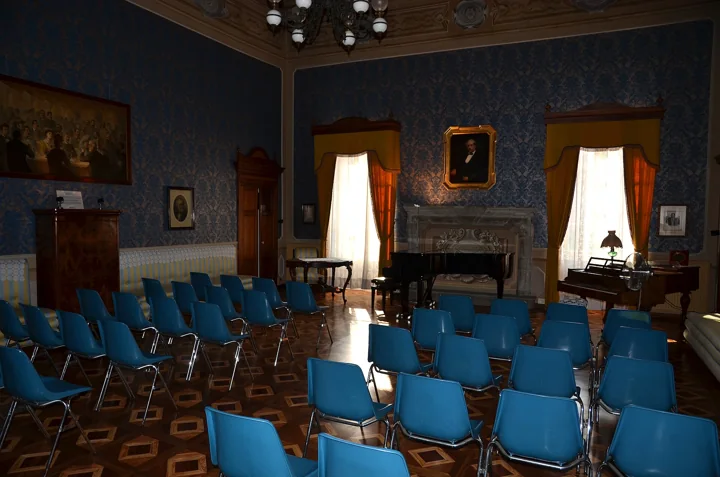
Everything at the start: Barezzi, a merchant and music lover, backed his studies, hosted his first public performance in 1830 and became his father-in-law.
Verdi taught Barezzi's daughter Margherita and married her in May 1836. Tragedy followed in Milan: their daughter Virginia died in 1838, their son Icilio in 1839, and Margherita herself died while he was writing his second opera. Verdi dedicated Macbeth to Barezzi in 1847, and the letter still hangs in Casa Barezzi, with the earliest known drawing of the young composer. See Busseto in a day.
Busseto's theatre, culatello and a Parmigiano dairy in one day from Parma, with free cancellation.
Check dates for the culatello and Teatro Verdi dayHow did Verdi conquer Milan?
After Milan's Conservatory turned him down in 1832, he studied privately and made his debut at La Scala with Oberto in November 1839. Nabucco followed on 9 March 1842 and made him famous.
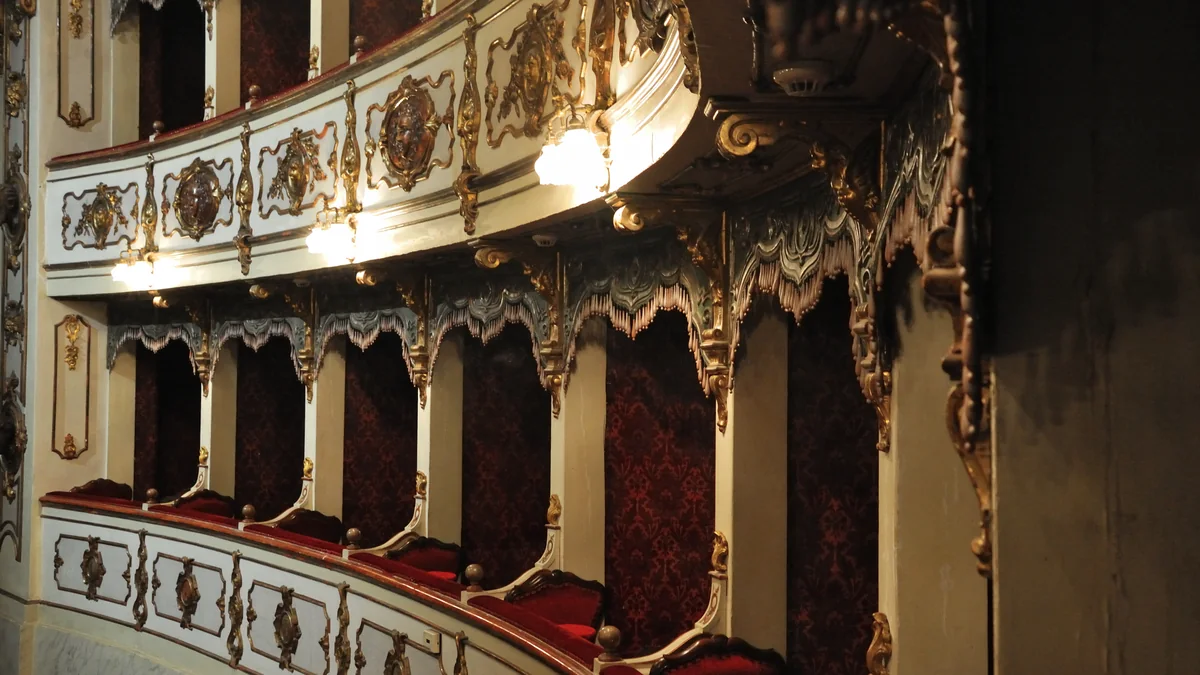
The rejection is one of music's great ironies: the Conservatory now bears his name. La Scala saw his first opera, his breakthrough and, decades later, the premieres of Otello in February 1887 and Falstaff on 9 February 1893. Today a guided hour takes you through the theatre museum and, when rehearsals allow, into a box above the stage.
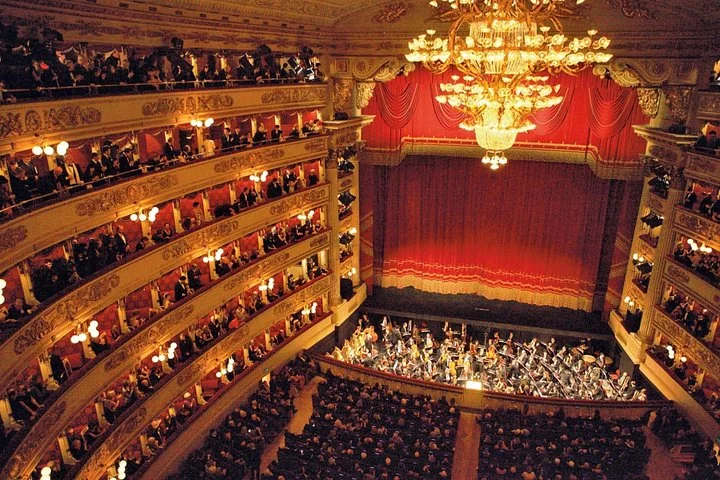
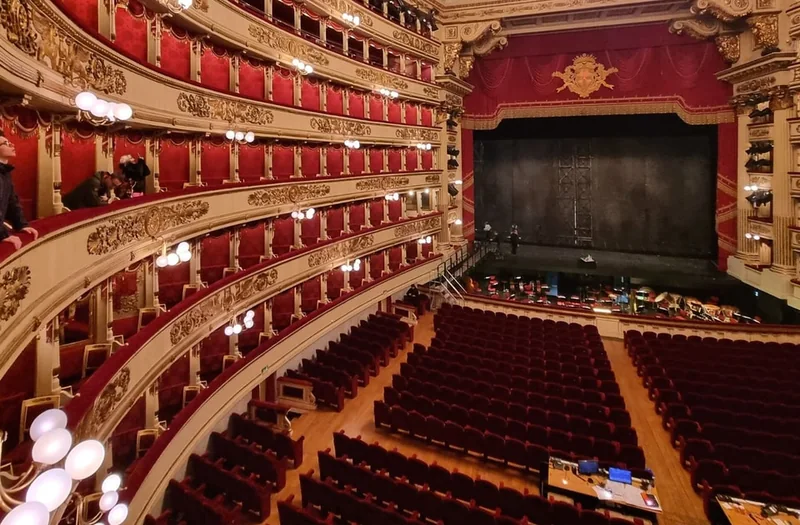
The La Scala museum and, when rehearsals allow, a look into the theatre, rated 4.7 from 2,181 reviews.
Explore the La Scala tourWhy did Verdi settle at Sant'Agata?
To return to the land: he bought the estate near Busseto in 1844, built from 1848 and moved in with Giuseppina Strepponi in 1851. They married in 1859.
From Sant'Agata came much of his mature work, in the years from Rigoletto (1851) to Aida (1871). The villa has been closed since 2022 and belongs to the Italian state since December 2024; read our Villa Verdi guide before you go.
Did Verdi live in Genoa?
Yes, in winter, for about fifty years: from 1867 in an apartment at Palazzo Sauli, and from 1874 at Palazzo del Principe, which he rented until shortly before his death.
According to the Comune di Genova, his first stays date from 1850, at a hotel in Vico Morchio. In Genoa he worked on Otello, Falstaff and Simon Boccanegra. His apartment can be seen as part of the Villa del Principe museum.
Where did Verdi die, and where is he buried?
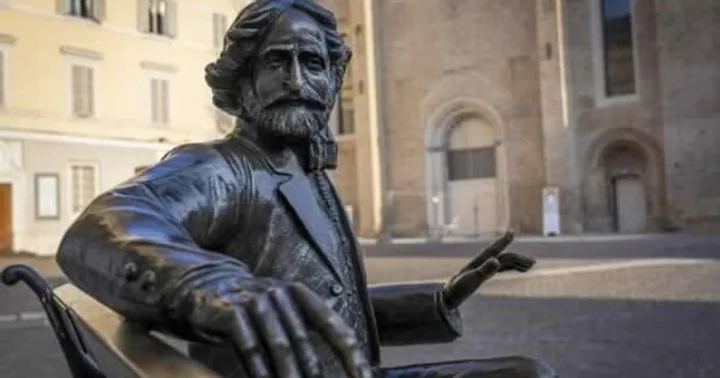
He died at the Grand Hotel et de Milan on 27 January 1901. A month later he was moved to the crypt of the Casa di Riposo per Musicisti, the rest home for musicians he founded, beside Giuseppina Strepponi.
Strepponi had died in 1897. At the transfer, Arturo Toscanini conducted 'Va, pensiero' before a crowd estimated at 300,000. The rest home, known as Casa Verdi, is at Piazza Michelangelo Buonarroti 29 in Milan; it still houses elderly musicians, and the crypt is the part most easily visited, in the daytime. Guided visits are by arrangement. It is not his birthplace, which is at Roncole.
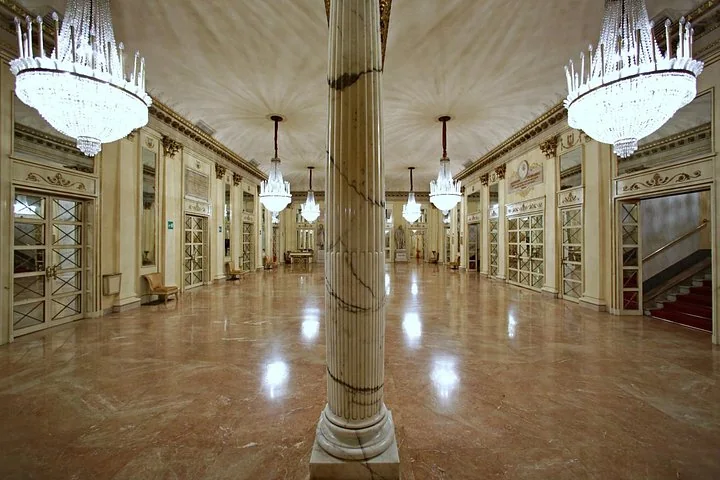
Visiting Milan? Pair Verdi's grave with an hour in the La Scala museum, with free cancellation.
Check dates for the La Scala tourHow can you follow Verdi's places on a trip?
Base yourself in Parma for Roncole and Busseto, and give Milan a day for La Scala and Casa Verdi. In Parma itself, a walk links the Teatro Regio, Toscanini's birthplace and the Verdi monument.
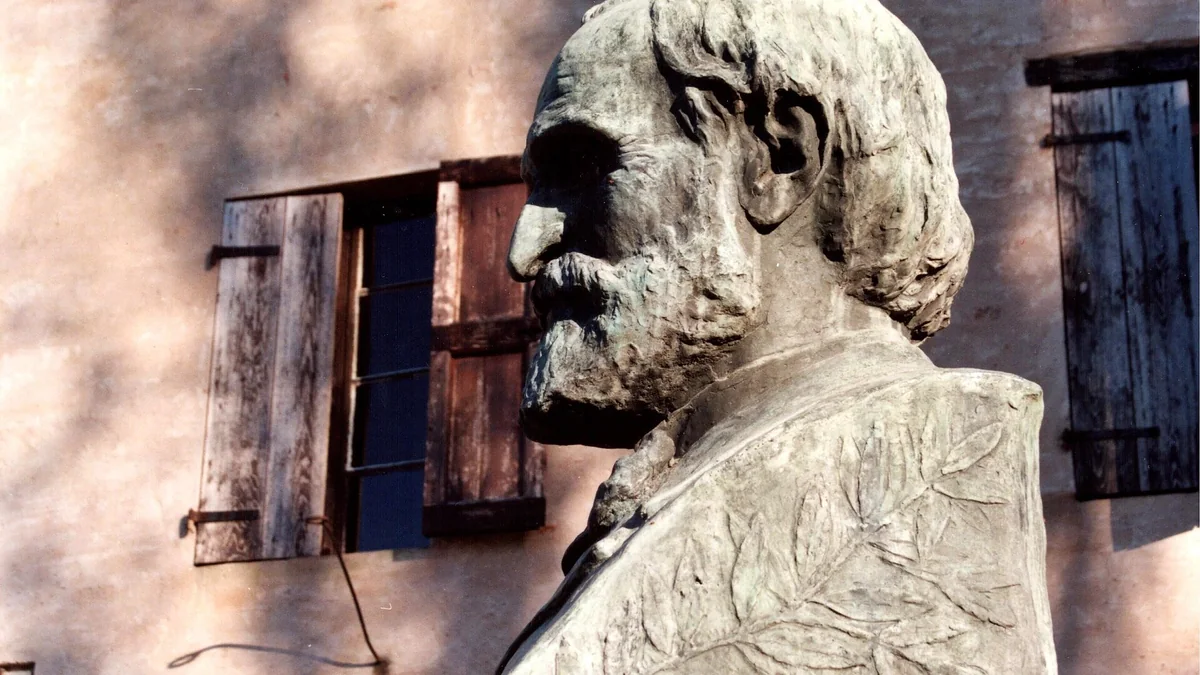
The musical Parma walk ($23, new, no reviews yet, in Italian) visits the Teatro Farnese and Toscanini's birthplace inside, the Teatro Regio from outside and the monument to Verdi; it follows a barrier-free route and cancels free up to 24 hours before. From Parma, the culatello and Teatro Verdi day brings you to Busseto with transport. Remember that the Verdi sites near Busseto close on Mondays, and that Villa Verdi is closed. Directions: how to get to Busseto.
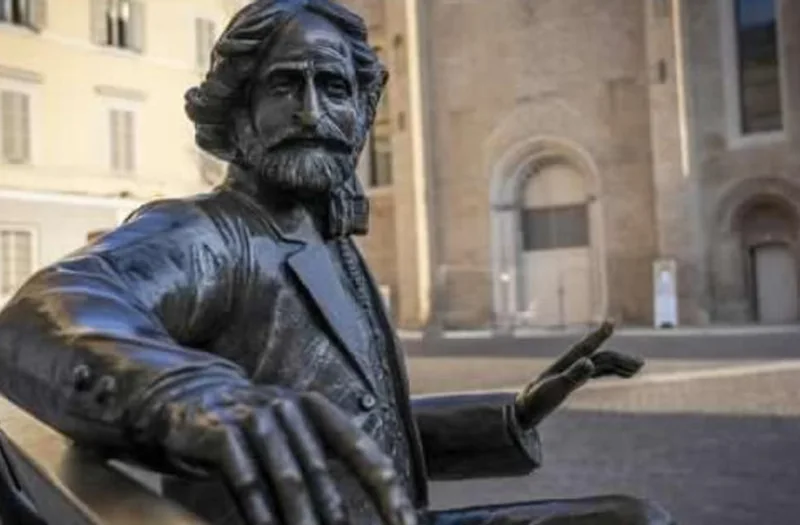
Parma's opera story on foot, in Italian: the Teatro Farnese, Toscanini's birthplace, the Regio and the Verdi monument, with a licensed guide.
Explore the musical Parma walkFrequently asked questions
Where was Verdi born?
At Roncole, now Roncole Verdi, a hamlet of Busseto in the province of Parma, on 10 October 1813.
Where is Verdi buried?
In the crypt of the Casa di Riposo per Musicisti, Casa Verdi, in Milan, beside Giuseppina Strepponi.
Where did Verdi die?
At the Grand Hotel et de Milan, on 27 January 1901.
Did the Milan Conservatory really reject Verdi?
Yes, in 1832. The Conservatory now bears his name.
Ready to book
Choose your day
Free cancellation up to 24 hours before on every option. Prices are from-prices in USD and move with the season.
Milan: La Scala Theatre and Museum Tour
Musical and Theatrical Parma Walking Tour
- Guided walk in Italian with a licensed local guide
- Teatro Farnese and Toscanini's birthplace inside; Teatro Regio from outside
- The monument to Giuseppe Verdi
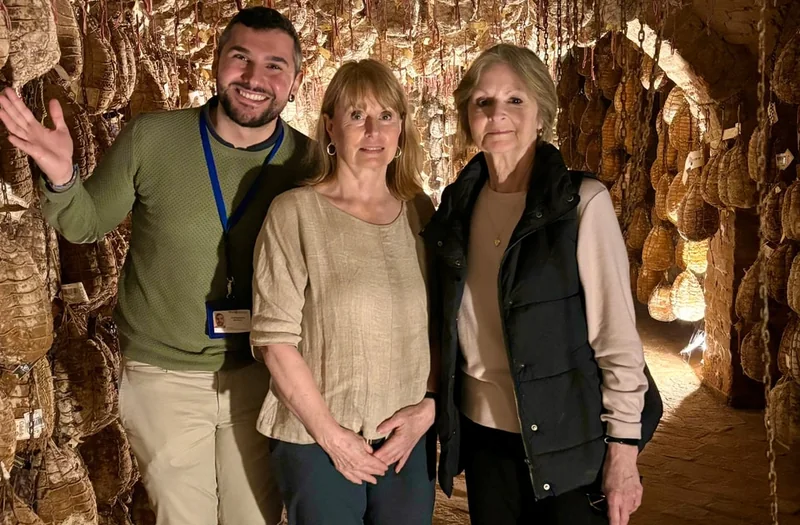
Parmigiano, Culatello and Busseto's Teatro Verdi
- Transfer from and to Parma
- Parmigiano Reggiano dairy with a plate of anolini in brodo
- Culatello di Zibello production visit and tasting at the Mulino Dallatana